Pest Control Services Sussex County: Preventing Infestations Before They Start
Anyone who has managed a home or commercial property in Sussex County long enough has seen the same pattern repeat itself. A small issue, maybe a line of ants near the sink, one mouse in the basement, a few wasps under the eaves, gets brushed aside because it seems minor. A few weeks later, the problem has spread into wall voids, storage areas, crawl spaces, or landscaping. At that point, the conversation changes from simple prevention to damage control.
That shift matters because pest problems are rarely expensive at the beginning. They become expensive when timing, weather, building conditions, and neglect line up. In Sussex County, that can happen faster than people expect. The mix of older homes, wooded lots, seasonal humidity, shore traffic, restaurants, farms, and rental properties creates ideal conditions for pests to move between structures and settle in quietly.
The best pest management work I have seen is not dramatic. It is disciplined. It starts with understanding how infestations begin, which conditions attract them, and where a building gives them an easy advantage. That is where professional pest control earns its value. Good service is not just spraying for what is already visible. It is identifying what is likely to happen next and stopping it before it becomes a larger problem.
Why prevention matters more in Sussex County than many owners realize
Sussex County presents a particular mix of environmental pressures. Warm summers bring ant activity, mosquitoes, flies, and stinging insects. Cooler months drive rodents indoors. Wet periods increase moisture issues around foundations, crawl spaces, and exterior grading. Vacation homes and intermittent occupancy create another risk because pests thrive where human activity is irregular. A property that sits quiet for stretches can give mice, cockroaches, or even carpenter ants a chance to establish themselves without much disturbance.
Older housing stock adds another layer. Homes built decades ago often have settled foundations, aging door sweeps, unsealed pipe penetrations, detached weatherstripping, and cluttered utility spaces. None of those conditions look dramatic on their own. Together, they function like an open invitation. I have walked through houses where the owner was convinced pests were appearing “out of nowhere,” only to find four or five practical entry points within ten minutes.
Commercial properties face similar pressures, just with higher stakes. Restaurants, retail locations, storage facilities, and multi unit buildings can lose time, revenue, and reputation quickly when a pest issue becomes visible to customers or tenants. In those settings, prevention is not a nice extra. It is part of routine property management.
That is why many people looking for Pest Control Services Sussex County are not only dealing with an active problem. They are trying to avoid the next one. That is a much smarter place to start.
The first principle, pests need three things
Every infestation starts with opportunity. Pests need access, food, and shelter. If even two of those are consistently available, many species will test the third until they find it.
Access is often underestimated. A mouse can squeeze through a gap that looks insignificant. Ants can exploit tiny foundation cracks, window frame separations, and utility openings. Roaches often arrive through deliveries, shared walls, drains, or damp hidden spaces. Wasps and hornets only need a protected overhang, soffit gap, or attic vent to begin building.
Food sources are broader than crumbs on a floor. Pet food left overnight, grease around an outdoor grill, fallen fruit, leaky trash lids, pantry goods stored in thin packaging, bird seed, and standing water all support pest activity. In commercial settings, the list expands to include floor drains, grease traps, cardboard storage, mop closets, and employee break areas.
Shelter is where preventive work often succeeds or fails. Dense mulch, stacked firewood, overgrown shrubs, cluttered basements, undisturbed attics, and damp crawl spaces all give pests a place to settle before they spread.
When a pest control professional inspects a property well, they are not just looking for the insect or rodent itself. They are reading the conditions that made the activity possible.
What professional prevention actually looks like
There is a persistent myth that pest control is mostly about products. It is not. Products matter, and so does proper application, but prevention is mostly inspection, exclusion, habitat correction, and timing.
A strong preventive service begins outdoors. The exterior tells you a lot about pressure before you even step inside. You look at mulch depth, tree limbs touching the roofline, gaps under siding, standing water, grading, gutter discharge, damaged vents, openings around hose bibs and utility lines, and evidence of burrowing or nesting near the foundation. Exterior lighting can also influence activity, especially with flying insects at night.
Inside, the focus shifts to utility rooms, kitchens, under sinks, attics, basements, crawl spaces, garages, and storage areas. Moisture readings, droppings, rub marks, frass, grease trails, shed skins, nest material, and odor all help identify whether activity is current, old, or likely to develop soon. This is also where experienced judgment matters. Some signs are obvious. Others are subtle enough that a rushed inspection misses them completely.
Preventive service plans usually work best when they combine seasonal monitoring with targeted corrections. A one time visit can help, but most infestations are not tied to a single moment. They build through cycles. Rodents increase pressure as temperatures drop. Ant colonies expand in spring and early summer. Wasp populations intensify as the season advances. Moisture related pests respond to rainfall and drainage patterns.
That is one reason recurring Pest Control Services Sussex County are often more practical than emergency treatment alone. They create a rhythm of inspection and correction before the property drifts into risk.
The pests that usually get a head start
Different properties attract different problems, but a few categories come up again and again in Sussex County.
Ants are common because they are persistent and adaptable. Pavement ants, odorous house ants, and carpenter ants each behave differently. Homeowners often make the mistake of treating visible trails without locating the conditions feeding the colony. With carpenter ants, that can be especially costly because moisture damaged wood and hidden galleries may already be present before the insects are noticed indoors.
Rodents are perhaps the clearest example of why prevention beats reaction. By the time a mouse is seen crossing a room, there is often more activity behind walls, in insulation, or near stored materials. Mice contaminate surfaces, chew wires, damage insulation, and reproduce quickly. Rats are less common in some residential settings, but where they appear, speed matters even more.
Cockroaches are usually a sanitation and harborage issue, but not always a simple one. In apartments and commercial spaces, infestations can move between units or travel through shared systems. A clean tenant can still have a roach problem if neighboring conditions are poor. That is where building wide strategy becomes necessary.
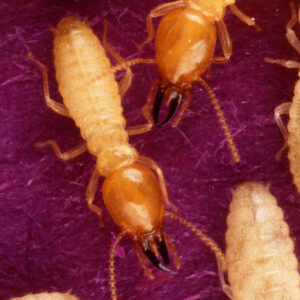
Termites deserve special mention because prevention here is less about seeing the insect and more about reducing conducive conditions. Excess moisture, wood to soil contact, foundation cracks, and untreated structural vulnerabilities all increase risk. Homeowners often expect termites to announce themselves clearly. They rarely do.
Stinging insects become an issue when nests are allowed to develop in quiet exterior spaces. Early paper wasp activity under eaves is much easier to handle than a mature colony hidden inside a wall void later in the summer.
The property habits that quietly invite trouble
Most infestations are not caused by a single glaring mistake. They usually come from routine habits that feel harmless until weather and pest pressure exploit them.
Take storage, for example. Cardboard boxes stacked directly on basement floors create protected pockets that stay undisturbed for months. Rodents use them for nesting cover. Roaches exploit the warmth and harborage. Spiders establish webs around them. Switching to sealed plastic bins and raising items even a few inches off the floor changes that environment considerably.
Landscaping causes similar issues. Thick mulch piled against siding retains moisture and gives insects cover close to entry points. Shrubs pressed tightly against exterior walls block airflow and make inspection difficult. Tree branches brushing the roofline serve as routes for ants and other pests. None of affordablepestnj.com Pest Control Services Sussex County this means a property must look bare or overly manicured. It means the design should not unintentionally bridge the outside environment to the inside structure.
Moisture is another constant driver. A slow leak under a kitchen sink may not seem urgent if the cabinet is rarely opened. To pests, it is a stable water source in a dark protected space. The same is true for clogged gutters, poor downspout discharge, condensation around HVAC lines, and damp crawl spaces. If I had to name one factor that repeatedly turns a manageable property into a pest prone one, it would be unresolved moisture.
Where homeowners often lose the battle
The biggest mistake is trying to solve a structural or sanitation issue with a surface level treatment. Sprays and traps have their place, but they cannot compensate for a property that keeps feeding the problem.
The second mistake is delay. People often wait because activity seems light or sporadic. They assume one mouse is just one mouse, or a few ants after rain do not mean much. Sometimes that is true. More often, visible pests are the part of the problem easiest to notice, not the full extent of it.
The third mistake is using the wrong method at the wrong time. Over the counter products can scatter certain pests, push them deeper into wall voids, or create false confidence while the root issue continues untouched. I have seen homeowners fog basements for insects while ignoring the torn vent screen that allowed rodents in. I have seen kitchen bait placed where cleaning chemicals neutralized it within hours.
Professional pest control is valuable partly because it narrows those errors. It aligns treatment with biology, timing, and building conditions.
A practical prevention baseline for most properties
A property does not need perfection to be defensible. It needs consistency. Most homes and small commercial buildings benefit from a straightforward baseline that reduces opportunity across seasons.
- Seal obvious exterior gaps around pipes, vents, foundation penetrations, and door thresholds.
- Correct moisture issues promptly, especially leaks, standing water, and poor drainage near the structure.
- Store food, pet supplies, and dry goods in sealed containers rather than thin bags or open boxes.
- Keep vegetation trimmed back from siding, windows, and rooflines.
- Schedule routine inspections before peak seasonal pressure turns into indoor activity.
Those five steps will not eliminate all pest risk, but they change the property from easy target to harder target. That matters more than people think. Pests do not need a perfect site. They prefer the path of least resistance. When one building becomes less convenient, activity often shifts elsewhere.
Seasonal pressure changes the strategy
A good prevention plan in Sussex County is never static. It should respond to the calendar because pest behavior does.
In spring, ant scouting increases, overwintering pests become more noticeable, and termite swarms may raise concern in certain areas. This is an ideal time to inspect the exterior envelope after winter wear, especially door seals, foundation cracks, vent screening, and drainage paths.
Summer brings peak activity for stinging insects, mosquitoes, flies, and many occasional invaders. Outdoor food handling, cookouts, trash storage, and irrigation all shape pressure. Properties near water, woods, or dense landscaping usually need more attention during this stretch.
Fall is when rodent exclusion becomes especially important. As temperatures drop, mice begin testing structures aggressively. Tiny gaps that seemed irrelevant in July become entry points in October. This is the season when attic spaces, garage doors, utility penetrations, and crawl space access points deserve a very close look.
Winter is quieter on the surface, but it is useful for interior monitoring. Rodent signs, moisture patterns, and hidden harborage become easier to assess when exterior insect activity is lower. This is also when many people finally notice problems in vacation homes or less frequently used properties.
Here are some signs that a property may need attention sooner rather than later:
- Scratching sounds in walls or ceilings, especially at night
- Droppings in cabinets, pantries, basements, or along baseboards
- Repeated ant trails or insect activity in the same area after cleaning
- New moisture damage, musty odor, or soft wood near windows and plumbing
- Nests, mud tubes, or increased flying insect activity around eaves and foundations
None of those signs automatically mean a severe infestation, but each one justifies a closer look. Waiting to “see if it gets worse” usually gives pests the advantage.
Residential service is different from commercial service
Prevention in a family home is largely about comfort, sanitation, and property protection. In commercial spaces, the stakes widen. Restaurants must consider food safety and reputation. Warehouses must protect packaging and inventory. Offices must avoid employee disruption. Property managers must think about tenant turnover, shared walls, and complaint response.
That difference changes how service should be delivered. A residential plan can focus heavily on convenience, seasonal barriers, entry point reduction, and family safe application practices. A commercial plan usually demands stricter documentation, more frequent inspections, after hours scheduling, and faster escalation protocols if signs appear.
Multi unit housing presents its own challenge because one tenant can be diligent while another unintentionally sustains the problem. In that setting, prevention only works when management, residents, maintenance staff, and pest professionals are aligned. If sanitation improves in one unit but structural gaps remain in ten others, the pressure simply moves.
What to expect from a strong provider
Not all pest control visits are equal. The difference is often obvious in the questions asked and the areas inspected. A solid provider does not rush to treat before understanding the property. They want to know when activity began, where it appears, how often it occurs, what changes have happened recently, and whether moisture, construction, landscaping, or occupancy patterns may be involved.
They should also explain the reasoning behind their recommendations. If sealing is more urgent than treatment, they should say so. If a problem is likely to recur because of a crawl space moisture issue or neighboring pressure, they should be direct about that too. Good prevention is honest about trade offs. Some conditions can be greatly reduced, not completely eliminated, especially in wooded or high moisture environments. What matters is whether the plan is sensible, targeted, and sustained.
This is particularly important when evaluating Pest Control Services Sussex County for a long term relationship rather than a one time fix. You want a provider who reads the property, not just the pest.
The cost of waiting is rarely just the treatment bill
People tend to compare pest control costs against the price of a single service visit. That is the wrong comparison. The better comparison is between early prevention and the full cost of delayed response.
A rodent issue may require insulation replacement, wiring repair, entry point sealing, sanitation work, and repeated monitoring. Carpenter ants may expose underlying moisture damage that was already weakening trim or framing. Cockroach infestations in commercial kitchens can trigger operational disruption at the worst possible time. Termite damage, of course, carries its own separate risks.
There is also the less visible cost of stress. Families lose sleep when they hear scratching in walls. Tenants lose confidence when common areas show signs of pests. Staff morale drops when recurring problems are handled reactively rather than systematically. Prevention is partly about preserving the normal use of the space without constant disruption.
Prevention works best when it becomes routine
The properties that stay ahead of pest issues are usually not the ones spending the most money. They are the ones that make a few smart practices routine. They inspect. They fix leaks quickly. They pay attention to changes around the foundation. They do not treat pests as random bad luck when conditions keep repeating.
That mindset is what separates occasional relief from long term control. In Sussex County, where seasonal shifts and mixed property types create steady pest pressure, prevention is not overcautious. It is practical.
A well maintained structure, monitored at the right times, with gaps sealed and moisture controlled, gives pests very little room to gain momentum. That is the real value of professional service. Not simply removing what is already there, but keeping ordinary problems from becoming entrenched ones. When Pest Control Services Sussex County are approached that way, they become part of protecting the property itself, not just responding to the last thing that crawled across the floor.
Affordable Pest Solutions LLC
Based in Budd Lake, New Jersey 07828
Service area: Sussex County, Morris County, and Warren County, New Jersey
+1 973-229-9547
FAQ About Pest Control Services Sussex County
What is included in a pest control service in NJ?
A visit generally starts with an inspection to identify the pest and assess activity, access points, and contributing conditions. The proposed service may include treatment, monitoring, exclusion recommendations, and follow-up. Ask which pests and areas are covered by the written quote.
How much does a pest controller charge in NJ?
Pricing depends on the pest, property size, severity of activity, and work required. A single treatment and an ongoing plan can have different costs and coverage. Request an inspection-based estimate that explains the included work, follow-up fees, and warranty terms.
How to prepare my home for pest control?
Ask for instructions specific to the planned service. The technician may need access to inspection areas and may ask you to move belongings or protect food and dishes. Mention pets, aquariums, and any household concerns beforehand. Follow the product label and the technician's instructions about leaving and re-entering treated areas.