How Often Should You Schedule Pest Control Services in Warren County
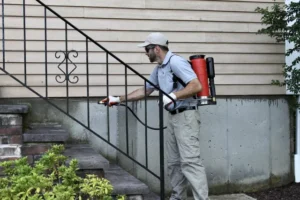
If you own a home or manage a property in Warren County, the right pest control schedule is rarely a simple once-a-year decision. The honest answer is that service frequency depends on pressure, property type, season, and your tolerance for risk. A newer single-family home on a dry lot may do well with quarterly visits. A restaurant, apartment building, older farmhouse, or property near woods or water may need monthly service, at least during active seasons. And if you are already dealing with rodents, termites, German cockroaches, or recurring ants, the first phase often requires more frequent follow-up before you can settle into a maintenance plan.
That may sound less tidy than a one-size-fits-all answer, but it is how experienced technicians look at the problem in the field. Pests do not care about neat calendars. They respond to shelter, moisture, food, and temperature swings. Warren County gives them plenty of opportunities, especially with humid summers, cold snaps that push insects and rodents indoors, and the mix of suburban neighborhoods, wooded lots, agricultural edges, and commercial corridors.
For most households, a good starting point is quarterly service. That schedule aligns well with how many common pests behave and how residual products perform. It gives a technician a chance to inspect, refresh exterior barriers, catch small issues early, and adjust the plan as the seasons change. Still, quarterly is a starting point, not a law. Some homes can stretch beyond that without trouble. Others need tighter intervals because pest pressure is simply too high.
Why the schedule matters more than people think
Homeowners often call after they see a sudden burst of activity, a line of ants at the sink, a wasp nest under the eaves, or scratching in the attic after dark. At that point, the conversation is usually about elimination. What gets overlooked is prevention. Pest control works best when it is timed to break patterns before infestations gain momentum.
A single treatment can knock down visible pests, but it may not address eggs, hidden nesting sites, moisture conditions, or entry points. That is why repeat visits are often recommended. A cockroach treatment may need follow-up because new nymphs can emerge after the initial application. Rodent control nearly always requires rechecks to monitor bait stations, trap activity, and exclusion progress. Mosquito reduction is temporary by nature and tied closely to weather, standing water, and vegetation.
The practical value of scheduling regular Pest Control Services Warren County homeowners can rely on is not just fewer bugs on a given day. It is fewer surprises, lower long-term treatment costs, and less damage to wiring, insulation, food storage, drywall, and wood. It also means less stress. People underestimate how quickly a minor issue can become the thing that keeps them awake at night.
What quarterly service usually covers well
Quarterly service is the most common maintenance schedule because it balances cost, convenience, and broad protection. It works especially well for general household pests such as ants, spiders, centipedes, earwigs, silverfish, and occasional invaders that move indoors with changing weather.
In Warren County, each quarter tends to bring a different set of concerns. Spring wakes up ant colonies, stinging insects, and early-season spider activity. Pest Control Services Warren County affordablepestnj.com Summer ramps up mosquitoes, wasps, and moisture-loving pests. Fall drives rodents inward and sends stink bugs and boxelder bugs looking for overwintering spots. Winter reveals hidden issues inside walls, basements, crawl spaces, and attics, where pest activity often continues even when it is quiet outdoors.
Quarterly visits let a technician respond to those shifts. Exterior treatments can be adjusted when ant trails start forming along foundations. Granular products can be used where appropriate around the perimeter. Web removal, nest treatment, and inspection of cracks, utility penetrations, and garage thresholds can happen before pressure builds. Inside, a technician can watch for signs that tell a larger story, such as droppings under the sink, frass near wood trim, or moisture conditions around water heaters and sump pumps.
For many detached homes with no active infestation, quarterly service is enough to keep ordinary pest pressure under control. It is preventive, not reactive, and that distinction matters.
When monthly service makes more sense
Monthly service is not overkill when the property supports it. In fact, on some sites it is the only sensible plan. Restaurants, cafeterias, food processing spaces, apartment communities, senior living properties, and childcare facilities often need monthly visits because the stakes are higher and the conditions are more favorable to pests. Even a small lapse can turn into a health issue, tenant complaint, or failed inspection.
Residential properties sometimes need monthly service too. I have seen it recommended most often in homes with persistent German cockroaches, heavy rodent pressure, recurring carpenter ant activity, or unusually strong mosquito or flea problems. Homes backing up to dense tree lines, creeks, retention ponds, or unmanaged neighboring lots often have higher-than-average pressure. So do homes with crawl spaces that stay damp, cluttered basements, accessible pet food, or chronic exterior gaps.
There is also a human factor. Some families are comfortable seeing the occasional spider or beetle and simply want the population kept low. Others have young children, immunocompromised family members, severe phobias, or zero tolerance for indoor pest sightings. Service frequency should reflect the actual needs of the household, not a generic benchmark.
A monthly schedule usually does two things well. It shortens the time between inspection points, and it allows treatments to be refined based on what happened over the last few weeks rather than over the last season. That is particularly useful when a property is in the stabilization phase after a significant infestation.
The pests that change the schedule entirely
Not all pests fit neatly into a quarterly program. Some demand a different timeline because their biology, hiding behavior, or damage potential makes delay expensive.
Termites are the clearest example. If you have an active termite issue or a history of termite activity, the schedule is not really about routine spraying. It is about a treatment protocol, monitoring system, and annual inspection cycle. A property may need an initial treatment with follow-up checks, then yearly inspections after conditions are brought under control. Skipping those inspections is risky because termites work out of sight.
Bed bugs are another category where normal maintenance plans do not apply. Treatment intervals are guided by the severity of the infestation and the specific control method being used. Follow-up is critical because missing one life stage can restart the problem.
German cockroaches also require tighter management than the average ant or occasional spider issue. In apartments and multifamily buildings, they can spread from unit to unit, hide behind appliances, and rebound fast if sanitation, harborage reduction, and follow-up do not happen together. A once-and-done visit is rarely enough.
Rodents deserve special attention too. Mice and rats can squeeze through surprisingly small gaps, travel inside wall voids, and contaminate insulation, food, and storage areas. If a technician is setting traps, monitoring stations, and sealing access points, the early phase often involves visits every week or every few weeks until activity drops. After that, some homes move to quarterly monitoring. Others, especially near fields or wooded edges, benefit from monthly or bi-monthly checks during cooler months.
Warren County’s seasons shape the right timing
Local conditions matter. Pest pressure in Warren County is not static from January through December. Scheduling should reflect what is actually happening outdoors and around the structure.
Spring is often when people first notice activity because insects become more visible. Ant scouts appear in kitchens and bathrooms. Wasps begin nest-building under soffits, porch ceilings, deck rails, and play equipment. Moisture-related pests show up in basements after wet weather. This is one of the best times to restart service if you have let it lapse, because prevention now can reduce headaches later in summer.
Summer brings the highest level of overall activity. Warm temperatures accelerate insect life cycles. Mosquitoes breed quickly after rain. Outdoor dining and grilling create food sources. Pets move in and out more often, which can complicate flea control. If you host a lot of backyard gatherings, service timing matters even more. A treatment performed strategically before peak outdoor use is more useful than one done after everyone has been swatting mosquitoes for six weeks.
Fall is rodent season. It is also prime time for overwintering invaders. As nights cool, mice, stink bugs, cluster flies, and other nuisance pests start testing entry points around foundations, attic vents, siding gaps, and door sweeps. In my experience, this is when homeowners regret skipping late-summer or early-fall service. Once mice settle into wall voids or attic insulation, removal becomes more involved.
Winter is quieter from the curb, but not necessarily inside the structure. Rodents remain active indoors. Cockroaches, pantry pests, and silverfish do not take the season off. Cold weather also makes hidden structural vulnerabilities easier to notice, especially around utility lines, garage doors, and dryer vents. For some properties, winter service is when the technician has the best opportunity to find the true access points that summer foliage hides.
One-time treatments have a place, but they are limited
There are situations where a one-time service is perfectly reasonable. You may need a wasp nest removed before a family event. You may discover an ant trail after a heavy rain and want immediate control. You may be listing a home for sale and want a clean pest report before showings. In those moments, targeted service solves a defined problem.
The limitation is that one-time service rarely changes the conditions that allowed the pests in. If branches touch the roof, mulch is piled against siding, crawl-space moisture stays high, or weather stripping has worn away under the garage door, the invitation remains. The treatment handles the current occupants, not the next wave.
That is why good technicians spend part of every visit talking about habitat correction and exclusion. Sometimes the biggest win is not chemical at all. It is reducing moisture, trimming vegetation, sealing penetrations, storing food properly, and fixing the torn screen that keeps getting ignored.
What a technician looks at before recommending a frequency
A thoughtful service plan should come from inspection, not guesswork. Two homes on the same street can need different schedules because their risk profiles differ in subtle but important ways.
Here are the main factors that usually shape the recommendation:
- Age and condition of the structure, including cracks, gaps, and previous repairs
- Surrounding environment, such as woods, water, fields, dumpsters, or neighboring infestations
- Current pest activity, including species, severity, and how long the issue has been present
- Interior conditions, especially moisture, clutter, food handling, and pet-related factors
- Occupancy pattern, which includes vacancy, short-term rentals, tenants, and business traffic
An older home with stone foundation sections and a damp basement often needs more vigilance than a tightly sealed newer build. A vacant property can develop a problem quietly because no one is there to notice droppings, gnawing, or pantry activity. A duplex may stay vulnerable if one side cooperates and the other side does not. These are not minor details. They determine whether quarterly maintenance is enough or whether the property needs a more hands-on plan.
Cost, value, and the false economy of waiting too long
People understandably compare the price of quarterly versus monthly service, and sometimes the difference looks significant on paper. What gets missed is the cost of delay. A small mouse issue dealt with early may involve traps, exclusion, and a follow-up or two. Left alone through a full season, the same issue can mean nesting in insulation, odor problems, droppings in storage, and more extensive sealing work. The same pattern shows up with roaches, pantry pests, and carpenter ants.
There is also the hidden cost of inconvenience. Emergency scheduling tends to happen at the worst times, before holidays, during tenant turnover, or right before guests arrive. Preventive service reduces the odds of those moments. That is part of the value, even if it is harder to attach a dollar figure to it.
For budget-conscious homeowners, a sensible approach is often to start with a stronger initial plan, then step down if the property stabilizes. For example, a home with recurring ant and spider issues might use a more frequent service interval through spring and summer, then move to quarterly once conditions improve. A reputable company should be willing to explain why a certain frequency is recommended and what would justify changing it later.
Signs your current schedule is not enough
Sometimes the easiest way to answer the frequency question is to look at results. If pests are reappearing well before the next scheduled visit, the interval may be too long. If you keep seeing the same species in the same areas, there may be an unresolved access or moisture issue. If sightings are increasing season after season, maintenance may be too light for the property’s pressure level.
Pay attention to patterns. A spider in the basement once in a while is one thing. Fresh mouse droppings under the kitchen sink every few weeks are another. Tiny ants after every hard rain tell a different story than a stray beetle near a window. Repeated call-backs are not always a failure of treatment. Sometimes they are evidence that the property needs a different strategy.
A good provider of Pest Control Services Warren County residents trust should treat service frequency as adjustable. If a plan is not working, it should change. That might mean more frequent visits for a period of time, a shift in materials or methods, stronger exclusion work, or a deeper look at what is happening in crawl spaces, attics, wall voids, and exterior harborage zones.
How homeowners can make any service schedule work better
Even the best treatment plan has limits if the environment keeps favoring pests. Service frequency matters, but the day-to-day conditions around the home matter just as much. Small habits often make a measurable difference over time.
The most useful homeowner actions are usually simple:
- Fix leaks promptly and reduce standing water around the house
- Seal gaps around pipes, doors, windows, and utility entries
- Store pantry goods in closed containers and clean food debris quickly
- Trim vegetation back from siding and rooflines
- Reduce clutter in basements, garages, and crawl spaces
These steps do not replace professional treatment, but they make it more effective and more durable. I have seen homes cut recurring ant calls dramatically after correcting drainage and moving mulch away from the foundation. I have seen mouse activity drop once pet food storage changed and the garage door seal was replaced. Those are not glamorous fixes, but they work.
Choosing the right cadence for your property
So how often should you schedule service in Warren County? For many homeowners, every three months is the sweet spot. It is frequent enough to stay ahead of ordinary seasonal pressure and flexible enough to adapt to changing conditions. Monthly service is often justified for commercial properties, multifamily buildings, homes with persistent infestations, and properties in high-pressure environments. Annual inspections remain essential for termite monitoring, even if general pest service follows a different pattern.
The best answer is the one tied to your property’s actual risk. If you have never had a structured pest plan before, start with an inspection and ask for a recommendation based on evidence, not a canned package. If you already have service but still deal with recurring activity, review the timing and the scope of the work. More frequent visits are sometimes necessary, but so is sharper diagnosis.
Pest control is not just about killing what you can see. It is about reading the building, the season, and the habits of the pests that want in. When the schedule matches those realities, you stop lurching from problem to problem and start keeping the property truly under control.
Affordable Pest Solutions LLC
Budd Lake, NJ 07828 (service-area business)
Serving Warren, Morris and Sussex Counties, New Jersey
Phone: +1 973-229-9547
FAQ About Pest Control Services Warren County
How much does pest control cost in NJ?
The cost depends on the pest, the size of the property, the extent of activity and whether follow-up visits are needed. Ask for an inspection and a written estimate that explains the treatment scope and any ongoing service charges. Affordable Pest Solutions offers free estimates for properties in its service area.
What are the most common household bugs in New Jersey?
Ants, cockroaches, stink bugs and spiders are among the pests that residents may encounter in New Jersey homes. Activity varies by season, moisture conditions and available entry points. Correct identification helps determine whether exclusion, sanitation, monitoring or professional treatment is appropriate.
What kind of bugs infest homes?
Ants, cockroaches and termites can establish persistent activity in or around homes. The signs and appropriate response differ by pest: trails, droppings, shed wings or damaged wood may warrant closer inspection. A pest professional can identify the cause and recommend a plan suited to the property.